Rain changes the look and rhythm of the Masai Mara during the green season, generally from April to June. The grass grows greener, clouds move across the plains and showers can make the tracks wet or muddy. Staying at a safari camp in Masai Mara during these months does not mean your entire trip will be spent in the rain. Weather varies, and showers may pass before conditions improve. The key is to prepare for changing conditions and choose a camp that provides the facilities you need to relax between outings.
Game drives may require more flexibility during rainy weather. Wet tracks can influence which routes guides choose, while thicker grass may affect how easily some animals can be seen. Rather than following a rigid schedule regardless of conditions, a guide can assess the weather and wildlife activity when planning an outing. Early mornings may feel cool, so layered clothing is useful, while a lightweight waterproof jacket can help during showers. If photography is part of your safari, bring a dry bag or protective cover for your equipment, along with a lens cloth and spare batteries. Remember to pack sun protection as well, because bright sunshine can return after rain.
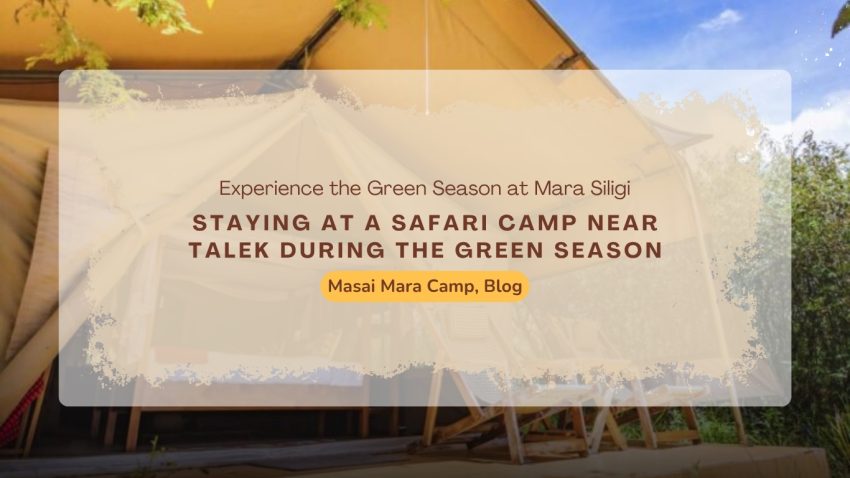
Your accommodation matters when you return from a damp game drive. When comparing a masai mara camp, check whether tents have ensuite bathrooms, hot showers, reliable lighting and a comfortable place to relax. Mara Siligi Camp offers eco tents with private decks, ensuite bathrooms, hot water and solar lighting. Guests can also use the camp’s shared lounge, where Wi-Fi is available. Dining arrangements may depend on the weather and the experience planned for the day, so confirm the details of your package before travelling. Ask what meals, guided drives and park entry fees are included in your quote. With practical clothing, suitable accommodation and a flexible approach to the weather, the green season can offer a memorable safari filled with vivid landscapes, wildlife observation and quieter moments between drives.