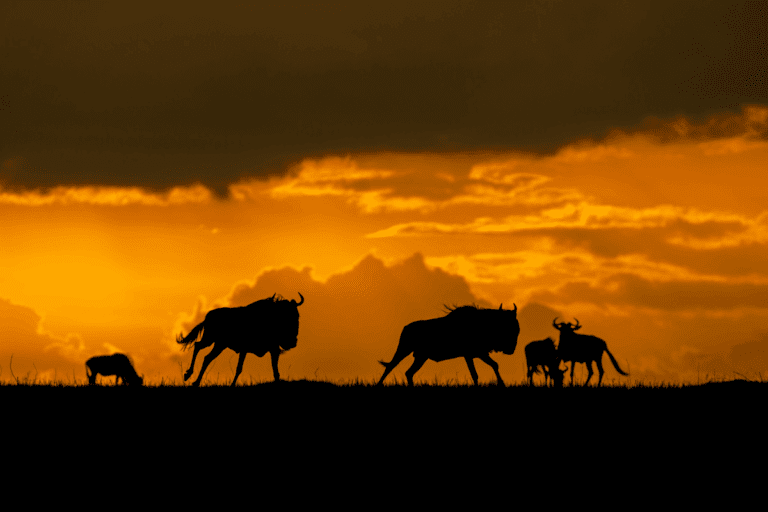
Wildlife movement can change the way you approach a Masai Mara photography tour. Instead of treating every drive as a fixed sightseeing route, photography-focused safaris can respond to what is happening in the bush. Mara Siligi’s photography experiences are designed around wildlife movement, light and behaviour, giving photographers opportunities to work with changing conditions rather than following convenience alone.
The Great Migration is one example. The Masai Mara National Reserve is associated with the annual migration from July to October, creating opportunities to photograph large-scale wildlife movement. However, the photography page also points to other subjects throughout the year. Big cats such as lions, cheetahs and leopards provide opportunities for wildlife portraits and action, while landscapes, acacia silhouettes and sweeping skies can add context to images.
Guide knowledge plays an important role in this approach. Local Maasai guides accompany the photography drives and have an eye for helping photographers find a strong position. The experience is designed around anticipating moments rather than simply chasing sightings. Positioning vehicles for side light and backlight is also part of the photography approach, helping photographers work with the conditions available in the Mara.
When comparing Masai Mara photography tour packages, consider whether the itinerary is flexible enough to respond to wildlife movement. The right moment may not appear exactly when a fixed schedule says it should. Mara Siligi’s photography drives include early morning shooting, midday editing and late-afternoon positioning, creating multiple opportunities during the day. For photographers who want to capture stories rather than simply record sightings, planning around wildlife behaviour can make the safari more purposeful.